









Sometimes it happens all of a sudden: The mouth feels different than usual. The tongue feels furry, the teeth feel dull, or the entire oral cavity feels dry, sensitive, or uncomfortable. Many people can't quite describe this feeling and only notice that "something is wrong."
In this article, we explain why your oral sensation can change, what role harmful bacteria, an acidic oral environment, and the oral flora play in this, and why such changes often occur earlier than visible problems with teeth or gums. We also look at which everyday factors can influence the natural balance in the mouth and when a dental check-up is advisable.
Why the sensation in your mouth sometimes changes suddenly
Our mouth reacts very sensitively to changes. Even small shifts in the oral environment can cause the tongue, teeth, or mucous membranes to suddenly feel different. Many people first notice this through a dull, dry, or furry feeling in the mouth.
Often, there isn't a single cause behind it, but rather an interplay of various factors. The oral flora is particularly important. This refers to the natural balance of "good" and "undesirable" bacteria that are permanently present in the mouth.
If this balance is disturbed, certain bacteria can multiply more strongly. This is precisely what often changes the entire oral sensation. The tongue feels coated, breath changes, or teeth suddenly feel rougher than usual.
Additionally, the pH value in the mouth plays a major role. Normally, saliva ensures that acids are balanced. However, if the oral environment becomes too acidic, many people react more sensitively. This often leads to:
- a furry sensation in the mouth
- dry mucous membranes
- dull tooth surfaces
- unpleasant taste
- sensitive gums
Sugar, acidic drinks, stress, or long breaks between meals in particular influence this balance much more significantly than many people realize.
Dry mouth also quickly changes the oral sensation. If too little saliva is produced, important protective mechanisms are missing. Bacteria can spread more easily, and plaque forms faster. Many people notice this especially in the morning, after coffee, or during stressful periods.
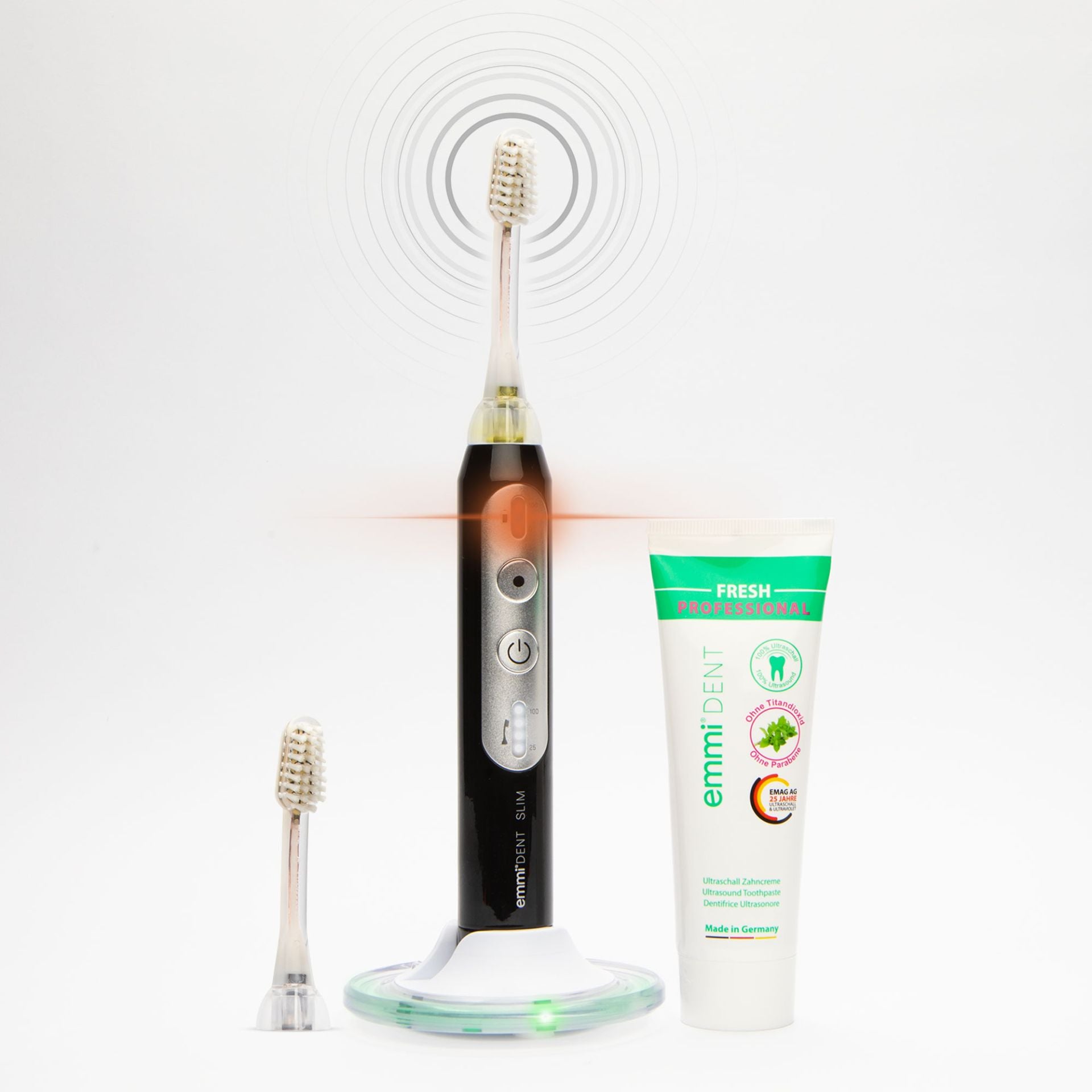
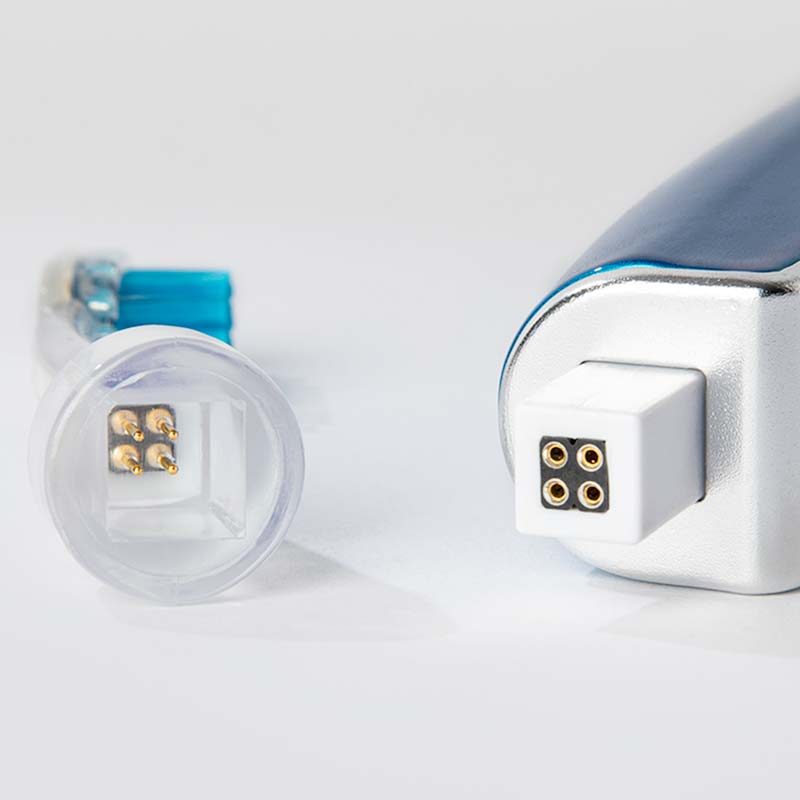
Sensitive areas in the mouth therefore often benefit from the gentlest possible cleaning. The emmi-dent Slim ultrasonic toothbrush is used by many people to gently reduce bacterial plaque and to comfortably clean hard-to-reach areas.
What role harmful bacteria really play in the mouth
Many people automatically associate bacteria in the mouth with poor dental hygiene. In reality, however, bacteria are a natural part of the oral flora. It only becomes problematic when certain types multiply too much and the balance in the mouth tips.
This often happens gradually. Certain bacteria feed on sugar and protein residues in the mouth, producing acids or sulfur compounds. These substances not only affect breath but also often change the entire oral sensation.
A persistently acidic oral environment can be particularly problematic. Acids attack tooth enamel in the long term and at the same time promote bacterial processes along the gum line. This often makes teeth and gums more sensitive.
Frequent snacking, sugary drinks, or acidic foods particularly strain the natural balance in the mouth. At the same time, many people underestimate stress as an influencing factor. Under stress, less saliva is often produced, and this is precisely why unwanted bacteria can multiply more easily.
Certain medications, mouth breathing, or smoking also significantly alter the oral flora. The mouth then often feels drier, more irritated, or unpleasantly coated.
Why changes in the mouth are often first noticeable through sensation
The mouth is one of the most sensitive areas of the body. Therefore, many people perceive changes there very early, often long before visible problems arise.
The tongue reacts particularly sensitively to plaque, acids, or dry mucous membranes. Even small changes in the oral flora can therefore lead to the tooth surfaces feeling duller or the oral cavity as a whole feeling unfamiliar.
It is interesting that many people initially experience no pain. Instead, more diffuse complaints arise, such as:
- unpleasant taste
- dry mouth sensation
- dull teeth
- sensitive gums
- coated tongue
- altered breath
Precisely because of this, such changes are often underestimated or ignored for a long time. Yet, a changed oral sensation can be an early warning sign that the bacterial balance in the mouth is disturbed.
Especially sensitive people are therefore increasingly opting for the gentlest possible dental care without strong mechanical pressure. Our emmi-dent Slim ultrasonic toothbrush is often used in this context to help gently reduce bacterial plaque and to clean sensitive areas more comfortably.
What influences your oral sensation in the long term
Oral sensation is influenced daily by many small factors. Not only dental care, but also nutrition, sleep, fluid intake, and stress play an important role.
Sufficient saliva, in particular, is crucial for a stable oral environment. Those who drink too little or frequently suffer from dry mouth often notice changes in the oral cavity more quickly. Long breaks between meals or constant snacking also significantly influence the oral flora.
Additionally, some people react more sensitively to changes than others. This does not automatically mean that an illness is present immediately. Nevertheless, it is worthwhile to take warning signs seriously, especially if the changed oral sensation persists or if additional complaints such as bad breath, bleeding gums, or sensitive teeth occur.
Because our mouth often shows early signs when the natural balance is disturbed. This is precisely why a suddenly changed oral sensation can be an important indicator that the oral flora, saliva, and bacterial processes are under more strain than usual.
How an acidic oral environment stresses teeth and gums in the long term
Many people immediately think of soft drinks or lemon juice when they hear about acids in the mouth. In fact, an acidic oral environment often arises directly from bacterial processes in the oral cavity. Certain bacteria break down sugar residues from food and produce acids in the process. These very acids affect the tooth surfaces and gums in the long term.
It becomes particularly problematic when the mouth has little time to regenerate. Those who constantly eat small snacks or regularly drink sugary beverages keep the mouth in a rather acidic state for many hours. The saliva then often can no longer sufficiently neutralize the acids.
The teeth appear duller, the tongue feels coated, or the gums react more sensitively. Some also describe a slightly "sticky" feeling in the mouth or an unpleasant taste after eating.
In the long term, however, a persistently acidic oral environment can do more. Tooth enamel becomes more susceptible to irritation, and bacterial plaque can adhere more easily. At the same time, the gums are more stressed because inflammatory processes are promoted.
This plays a particularly important role at night. Less saliva is produced during sleep, and this is precisely why the conditions in the oral cavity change significantly. Many people therefore wake up in the morning with a dry mouth, dull teeth, or an unpleasant taste.
Why gentle dental care can be important for changed oral sensation
When the mouth suddenly feels unusual, many people react by brushing more intensely or using mouthwashes more frequently. However, this can additionally strain sensitive mucous membranes or irritated gums.
Therefore, the decisive factor is usually not "more" cleaning, but rather the most even and gentle care possible. Especially sensitive areas along the gum line react quickly to strong mechanical pressure.
Our emmi-dent ultrasonic toothbrushes are therefore often used as support when people want to improve their oral sensation without additionally irritating teeth and gums. Many users find the gentle cleaning particularly pleasant when the oral mucosa is sensitive or the oral cavity already feels irritated.
Nevertheless, the following also applies here: If the oral sensation changes permanently or if additional complaints such as bleeding gums, pain, severe plaque, or bad breath occur, the cause should be professionally clarified.