










In this article, we explain why your jaw might feel tired or tense after a long day at work, the causes behind this feeling, and how you can effectively support your masticatory muscles and oral health.
Many people are familiar with the feeling of having a heavy or tired jaw after a day's work. Sometimes chewing feels more strenuous than usual, and sometimes a feeling of pressure develops in the cheek area or in front of the ears. Others only notice during dinner that their mouth no longer opens and closes as easily as it did in the morning. These symptoms are often blamed on a long day at work. In fact, fatigue can play a role, but there is often more to it. Stress, long hours of focused work, or subconscious teeth clenching can strain the masticatory muscles for hours without being noticed at all.
A tense jaw is therefore not uncommon. Especially during phases of high physical or mental stress, the muscles in the facial area react similarly to the muscles in the neck or shoulders. They remain under constant tension and cannot fully relax. Those who understand these connections can better identify early warning signs and take countermeasures in good time.
Why the jaw can feel heavy and tired in the evening
The masticatory muscles are among the most powerful muscle groups in the human body. They work almost continuously throughout the day. They are not only active when eating, but also stabilize the lower jaw when speaking, swallowing, and even while at rest. When stress is added to the mix, many people subconsciously change their muscle tension. Teeth are clenched together, the lower jaw is tensed, or the muscles are permanently activated. This often happens completely unnoticed, for example, during focused screen work, while driving, or in stressful situations.
If this tension persists for hours, the muscles become fatigued, similar to after intensive physical exertion. As a result, the jaw can feel heavy, tense, or pressure-sensitive in the evening. Some people also report a pulling sensation in their cheeks, a feeling of tightness in their temples, or mild headaches. Clicking in the jaw joint or restricted mouth opening can also occur. These symptoms do not necessarily indicate a medical condition, but they can be a sign that the masticatory muscles are being permanently subjected to more strain than is actually necessary.
A tired jaw after a long workday is often not caused by chewing itself, but by subconscious, prolonged tension of the masticatory muscles. Stress and involuntary teeth clenching are among the most common triggers for this feeling.
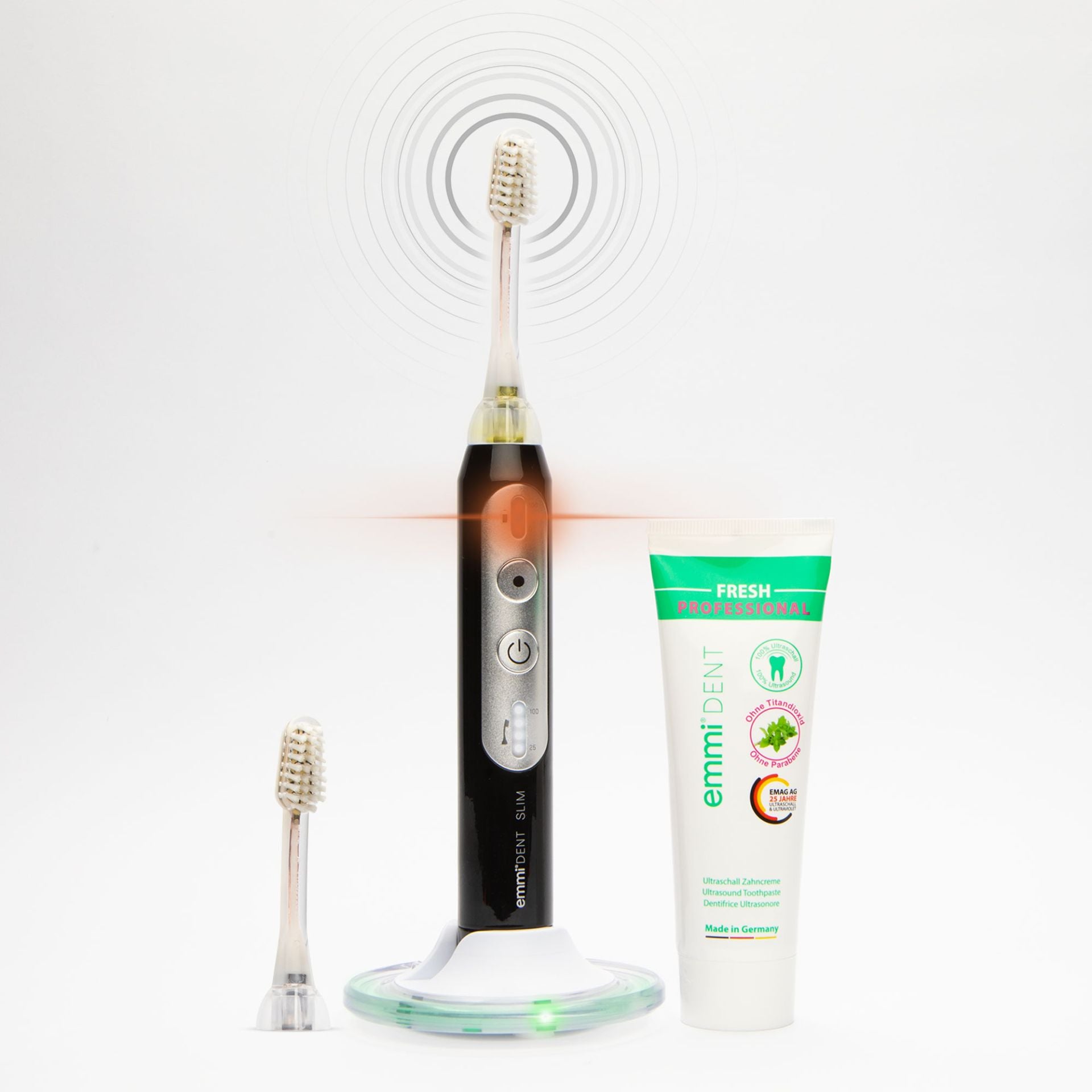
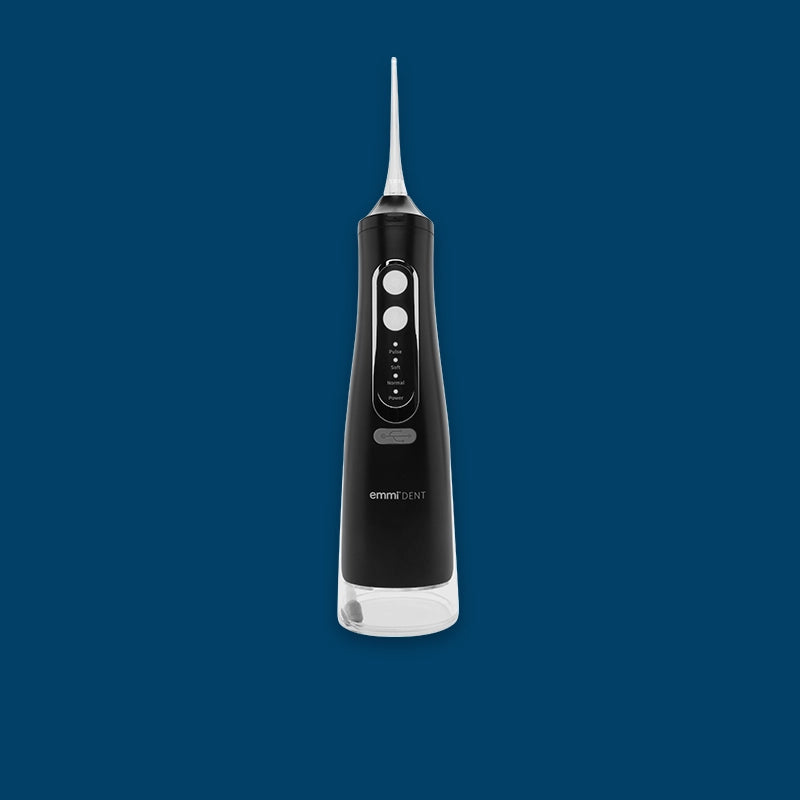
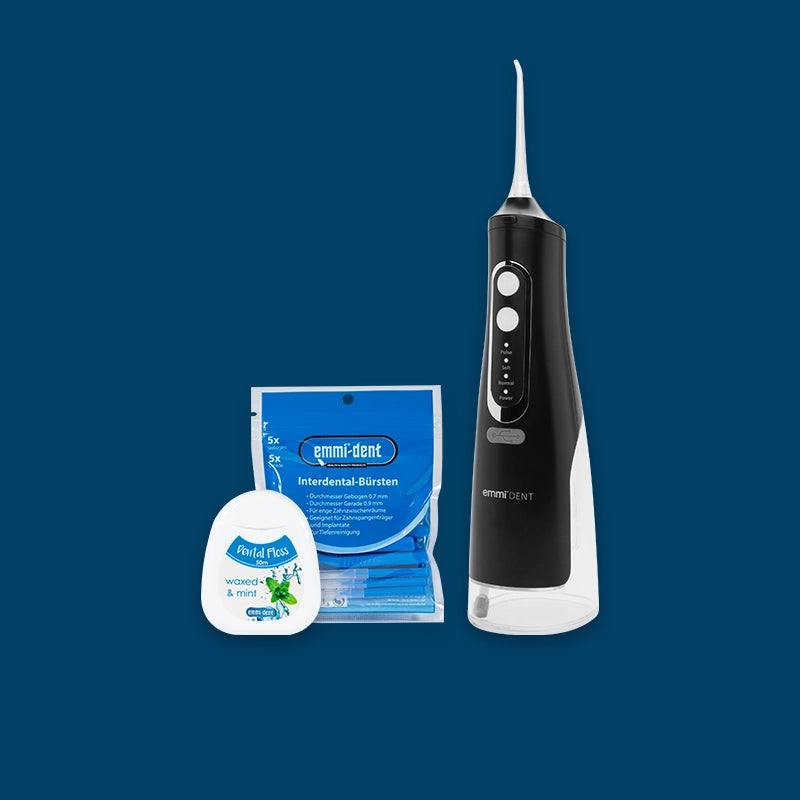
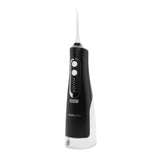
Thorough oral care is also part of a healthy mouth. Our emmi-dent Sonic Flex and our emmi-DENT Sonic Prime support daily tooth cleaning with ultrasonic technology and can help to effectively reduce bacterial plaque. However, they do not replace a dental examination if pain or functional disorders of the jaw persist.
How stress and teeth clenching affect the masticatory muscles
Stress affects not only general well-being but often the muscles as well. In stressful situations, many people subconsciously pull up their shoulders, tense their neck, or clench their hands into fists. The masticatory muscles can react to tension in the same way. Without realizing it, the teeth are pressed firmly together or the lower jaw is kept under constant tension. This so-called teeth clenching occurs not only at night but very often during the day as well. Especially during focused screen work, long car journeys, or demanding conversations, this strain often persists for hours.
The problem here is less the force than the duration. Although our chewing muscles are extremely powerful, they also require regular relaxation phases. If these are missing, the muscles become increasingly fatigued. Those affected often describe the jaw as heavy, stiff, or tense. Some also feel a sense of pressure in the area of the cheeks or temples. Headaches, neck tension, or a feeling of exhaustion in the facial area can also be related to this. The longer the muscles remain under tension, the more likely the symptoms are to increase and also put more strain on the jaw joint.
Not everyone who finds their jaw tired in the evening automatically suffers from a functional disorder that requires treatment. Nevertheless, it is worth being consciously aware of your own habits. Anyone who catches themselves clenching their teeth firmly together throughout the day can contribute to relieving the masticatory muscles with just small changes.
Why small relaxation breaks often make a big difference
Many people make sure to get up regularly or loosen their shoulders during the working day. However, the jaw is often forgotten, even though it is particularly sensitive to prolonged stress. Even short relaxation breaks can help to consciously reduce muscle tension. It is often enough to close your lips loosely and make sure your teeth are not touching. In a relaxed resting position, the upper and lower jaws are normally not constantly touching. There is a small gap between the rows of teeth while the tongue rests loosely against the roof of the mouth.
Conscious yawning, slow jaw movements, or gentle loosening exercises can also help relieve tense muscles. Regular breaks from the screen, consciously changing your posture, or short breathing exercises that relax the entire body are also helpful. This often reduces the tension in the masticatory muscles as well.
In addition to relaxation, daily oral care plays an important role in long-term oral health. Healthy teeth and healthy gums form the basis for even stress on the dentition. Our emmi-DENT Sonic Flex and our emmi-DENT Sonic Prime support daily tooth cleaning and can help to thoroughly reduce bacterial plaque. However, careful dental care does not replace an examination if there is additional pain in the jaw joint, restricted mouth opening, or persistent symptoms. In these cases, a dental practice should assess the cause more precisely.
What you can do yourself to relieve your jaw in everyday life
If your jaw regularly only feels tired or tense in the evening, it is worth observing your own daily routine more closely. Often it is not individual burdens, but many small habits that add up over the course of the day. Those who work focused at the computer for hours, talk on the phone, or are under time pressure often tense their masticatory muscles unconsciously. The sooner you notice these habits, the easier it is to counteract them.
A simple way is to consciously ask yourself several times a day: Are my teeth touching at all right now? Many people are surprised how often they press their rows of teeth firmly together, even though they are neither eating nor speaking. In a relaxed jaw position, the teeth should not be constantly touching. Instead, the lips rest loosely on each other, the tongue rests relaxed against the roof of the mouth, and a small gap remains between the upper and lower jaw.
In addition, short loosening exercises can be a useful addition to everyday life. Slow jaw movements, conscious yawning, loose circular movements with the shoulders, or a few calm breaths often help to reduce general muscle tension. Sufficient sleep and regular rest breaks also support the regeneration of the masticatory muscles. If, however, the symptoms become increasingly severe or if there are additional jaw joint noises, pain when chewing, or morning tension, a dental examination should be carried out. If necessary, it can also be clarified whether there is nighttime teeth grinding or a functional disorder of the jaw joint.
A relaxed jaw contributes to well-being
A tired or tense jaw after a long day at work is often a sign that the masticatory muscles have been subjected to more strain than necessary for many hours. Stress, concentrated work, and subconscious teeth clenching can contribute to the muscles feeling exhausted in the evening. Often these strains go unnoticed at first and only become noticeable when the working day is already over.
Those who pay attention to their body's signals, schedule regular relaxation breaks, and consistently maintain their oral health can help to relieve the jaw in the long term. However, if the symptoms persist or if there is additional pain, restricted movement, or irregularities in the jaw joint, the cause should be clarified by a dentist. This allows potential functional disorders to be identified early and treated in a targeted manner. After all, a relaxed jaw is not only important for chewing but also contributes to a pleasant physical sensation throughout the entire face and neck area.