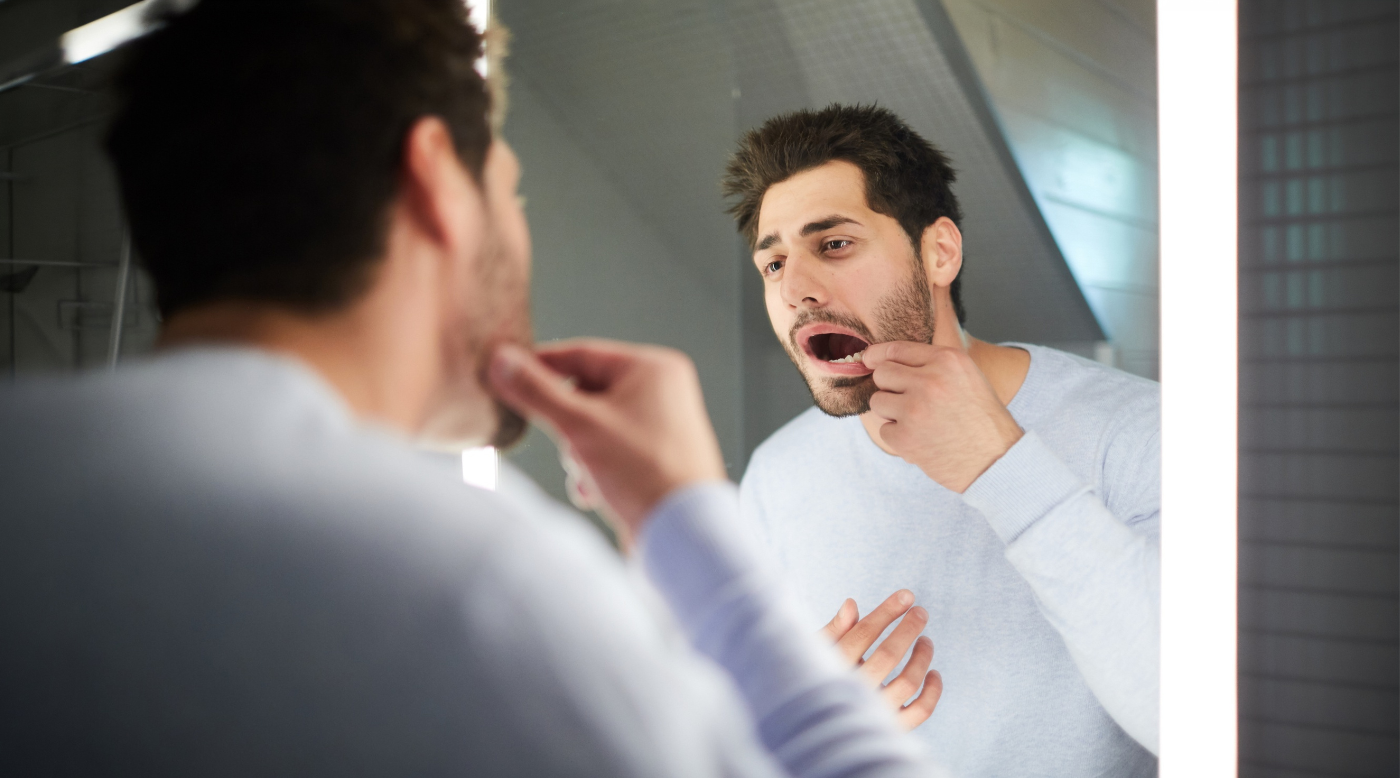












Many people know the feeling: in the morning, breath still seems relatively fresh, and then during the day, an unpleasant taste suddenly develops in the mouth or the feeling of bad breath. Often, this is only noticed during conversations, after eating, or during dry moments. This quickly leads to insecurity, and many wonder if poor dental hygiene is behind it.
In this article, we explain why the oral environment changes throughout the day, why bacteria, saliva, and diet play a significant role, and why bad breath is not always automatically related to "unclean" teeth. We will also look at how you can support your oral sensation in everyday life and when persistent bad breath can also have health-related causes.
Why Bad Breath Often Develops Throughout the Day
In many cases, bad breath does not appear suddenly but develops gradually over the day. This is usually due to a change in the natural oral environment. Our mouth is not a sterile space but a delicate balance of saliva, bacteria, and mucous membranes.
Saliva flow is particularly important. Saliva helps neutralize bacteria, food residues, and metabolic products in the mouth. If the mouth becomes drier, odor-producing bacteria can multiply much more easily. This is precisely why bad breath often occurs more strongly in the afternoon, after long conversations, or during stress.
Many people also underestimate the role of the tongue. A large number of bacteria and plaque accumulate there. These break down proteins from food residues or saliva components, producing sulfur compounds that can smell unpleasant. This is why bad breath often originates directly in the oral cavity and not in the stomach, as many initially suspect.
Typical everyday factors also significantly influence the oral environment. These include, for example:
- not drinking enough
- coffee or alcohol
- long breaks between meals
- mouth breathing
- protein-rich diet
- smoking
- dry indoor air
Many affected individuals then describe a furry sensation in the mouth, dry mucous membranes, or the feeling of constantly having an unpleasant taste in the mouth.
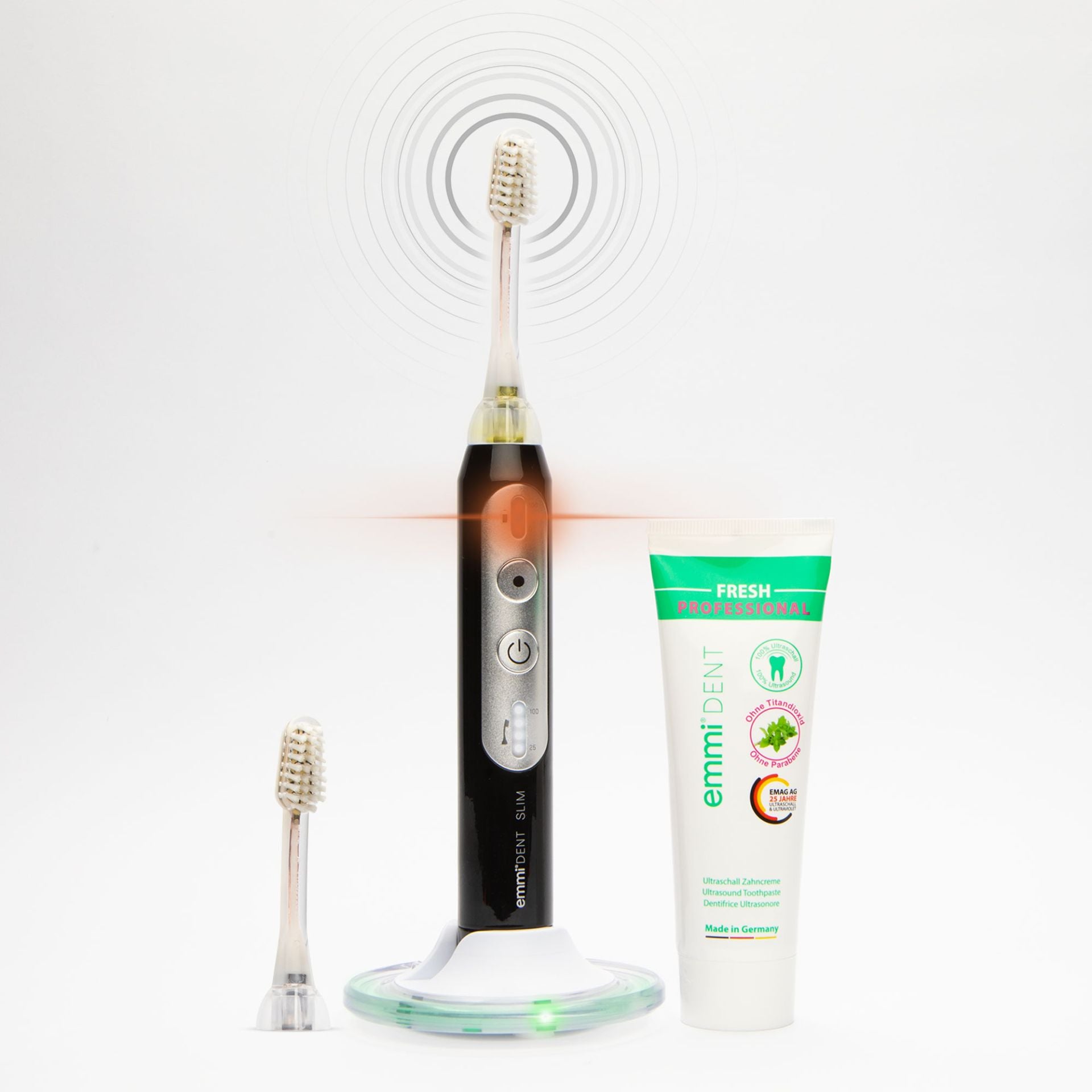
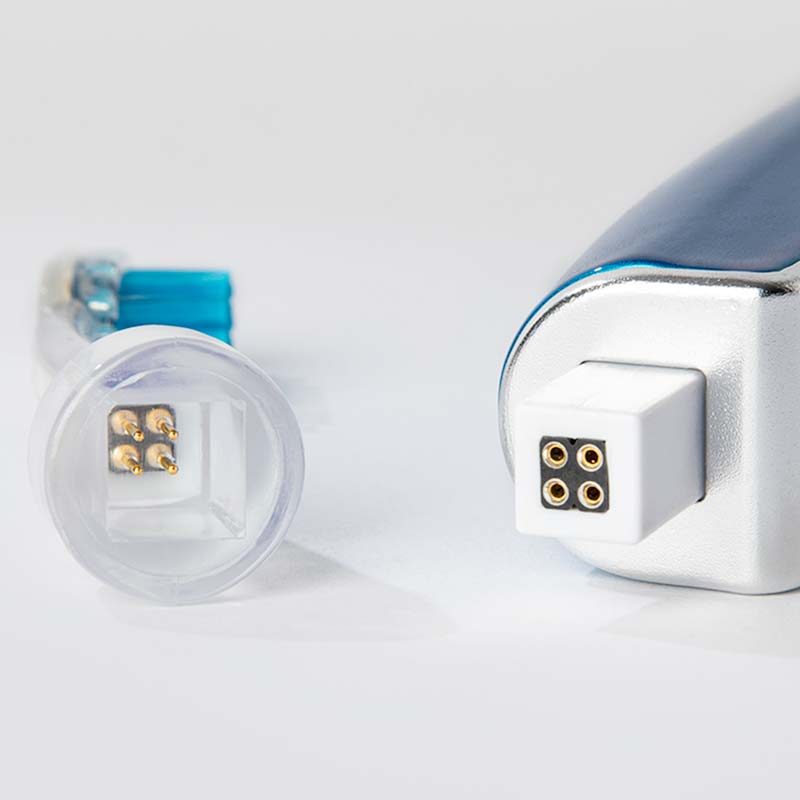
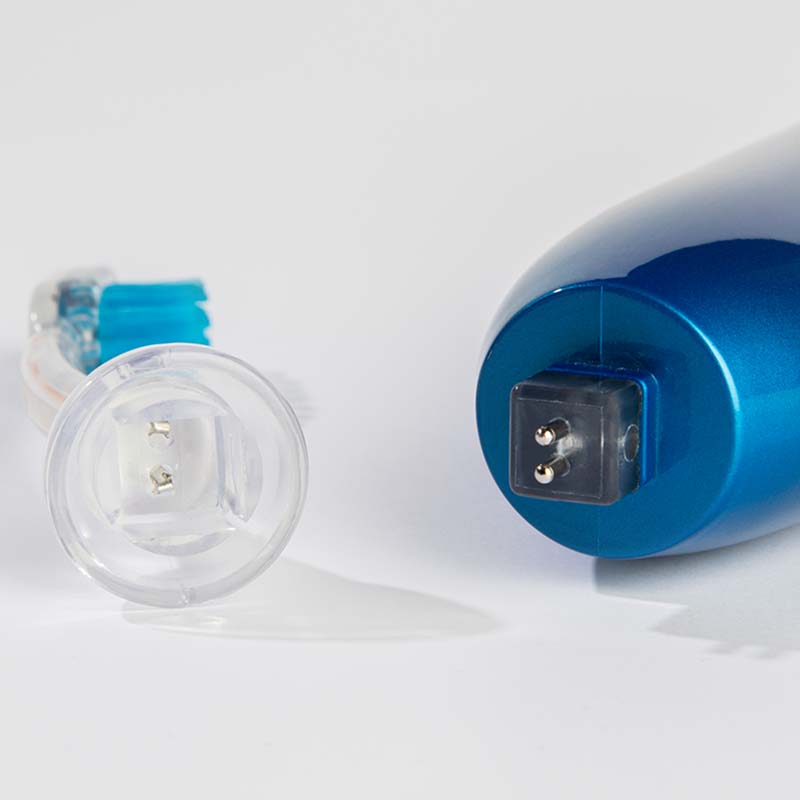
Especially with sensitive gums or hard-to-reach areas, many people therefore pay attention to gentle dental care. Our emmi-dent Slim Ultrasonic Toothbrush is often used to gently reduce bacterial plaque and reach areas where biofilm accumulates particularly easily.
Why Bad Breath Can Occur Despite Brushing Your Teeth
Many people are unsure when they brush their teeth regularly and still notice bad breath during the day. In fact, bad breath does not automatically mean that dental hygiene is poor. Often, several factors play a role simultaneously.
An important point is that normal brushing often does not completely reach all areas in the mouth. Especially the interdental spaces, the back of the tongue, or small niches at the gum line offer ideal conditions for bacteria. Plaque can accumulate there, causing unpleasant odors over time.
In addition, the oral environment is constantly changing. After eating, during stress, or during prolonged speaking, the mouth often becomes drier. This means that the natural cleaning effects of saliva are absent. Odor-producing bacteria can then multiply more easily.
Many people initially look for the cause in the stomach. However, bad breath actually originates much more frequently directly in the oral cavity or throat area. Only in some cases can health problems such as severe reflux, tonsil problems, or certain diseases also be involved.
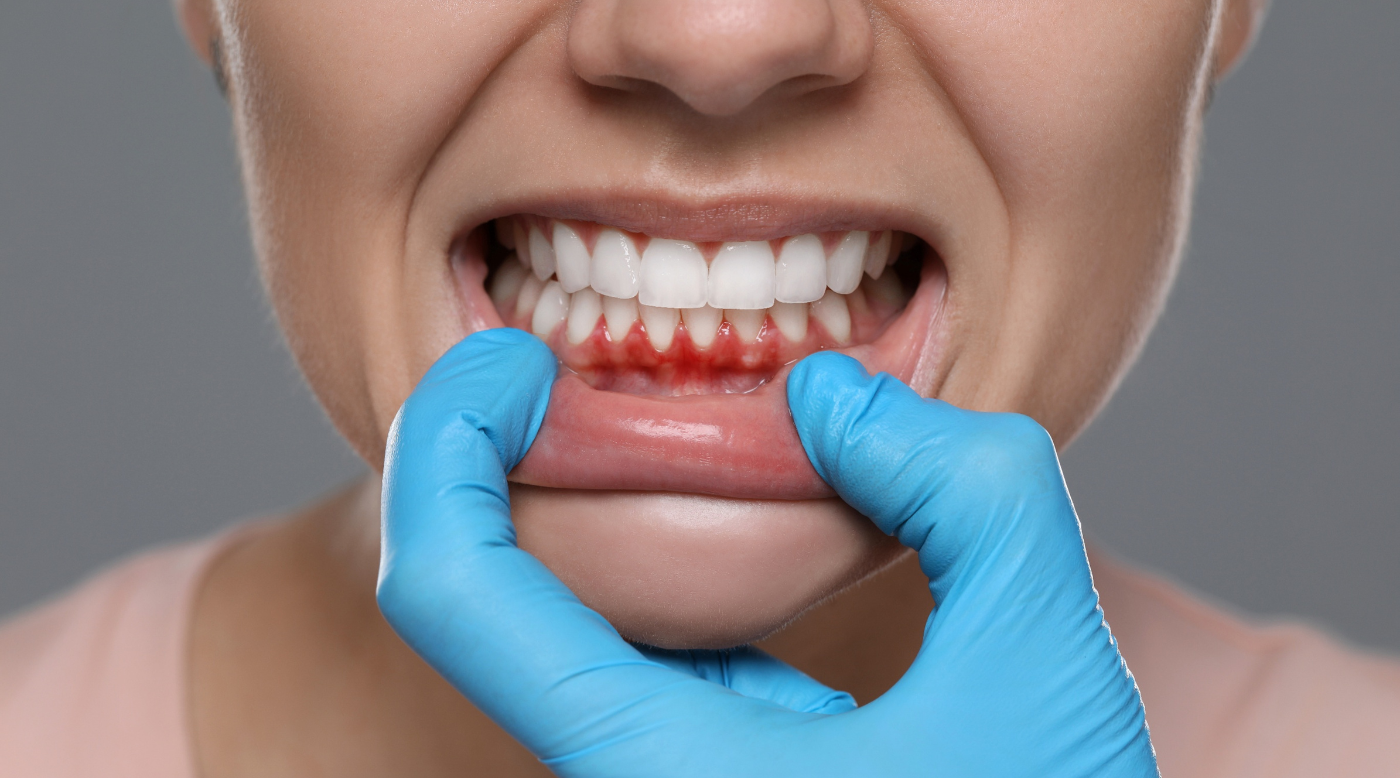
If bleeding gums, dry mucous membranes, plaque on the tongue, or a persistently unpleasant taste also occur, a dental check-up is worthwhile. Because inflamed gums or hidden plaque can also change the oral environment in the long term.
How You Can Support Your Oral Environment in Everyday Life
A fresh feeling in the mouth depends not only on brushing your teeth but on your entire daily routine. Adequate fluid intake is particularly important so that saliva can fulfill its natural protective function. Even slight dry mouth significantly changes the bacterial balance.
Regular meals can also help. Those who do not eat for a very long time or only drink coffee constantly often notice a dry or furry feeling in their mouth sooner. In addition, cleaning the tongue plays an important role, as many odor-producing bacteria accumulate there.
Especially people with sensitive gums are increasingly opting for the gentlest possible cleaning without strong pressure. Our emmi-dent ultrasonic toothbrush is often used to support this by gently reducing bacterial plaque and making it more pleasant to clean hard-to-reach areas.
Nevertheless, if bad breath persists or suddenly worsens significantly, the cause should be professionally clarified. Because sometimes it's not just plaque or dry mouth behind it, but also gum inflammation or other health changes.
Our breath changes naturally throughout the day. It is therefore not crucial to immediately see every small change as a problem, but to perceive your own mouth more consciously and to support the oral environment in the long term.
Why morning bad breath is often completely normal and can still worsen during the day
Many people are familiar with typical bad breath in the morning. During sleep, the body produces significantly less saliva, and this is precisely what changes the oral environment over several hours. Bacteria can multiply more easily, and odor-producing substances are generated faster. Therefore, morning bad breath is initially completely normal.
It is interesting, however, that for some people, breath worsens again during the day despite brushing their teeth. This is precisely where it becomes clear how strongly daily life, diet, and dry mouth can influence the oral environment.
Especially people who talk a lot, make professional phone calls, or are often under stress, frequently notice a dry mouth. Coffee, nicotine, or too little water also intensify this effect. As a result, the natural cleaning properties of saliva are lacking, and odor-producing bacteria have better conditions.
Many affected individuals describe not only bad breath but also:
- a dry mouth
- an unpleasant taste
- a furry feeling on the tongue
- dull or coated teeth
This combination, in particular, often shows that not only the teeth themselves play a role, but the entire bacterial balance in the oral cavity.
What Role the Tongue Really Plays in Bad Breath
When people think about dental care, they usually focus almost exclusively on their teeth. In fact, bad breath very often originates on the tongue. Especially in the back area, plaque, bacteria, and dead cells accumulate, which can cause unpleasant odors.
The problem is that these coatings are often barely visible. Many only notice them through the taste in their mouth or the feeling that their breath becomes unpleasant during the day.
Protein-rich foods, in particular, promote the formation of certain sulfur compounds. These substances are often responsible for typical bad breath. Therefore, simply brushing your teeth is sometimes not enough if the tongue or hard-to-reach areas in the mouth are not adequately considered.
Interdental spaces also play a significant role. Small food residues or bacterial plaque often persist there for longer and permanently influence the oral environment. This is precisely why many people find gentle but thorough cleaning important.
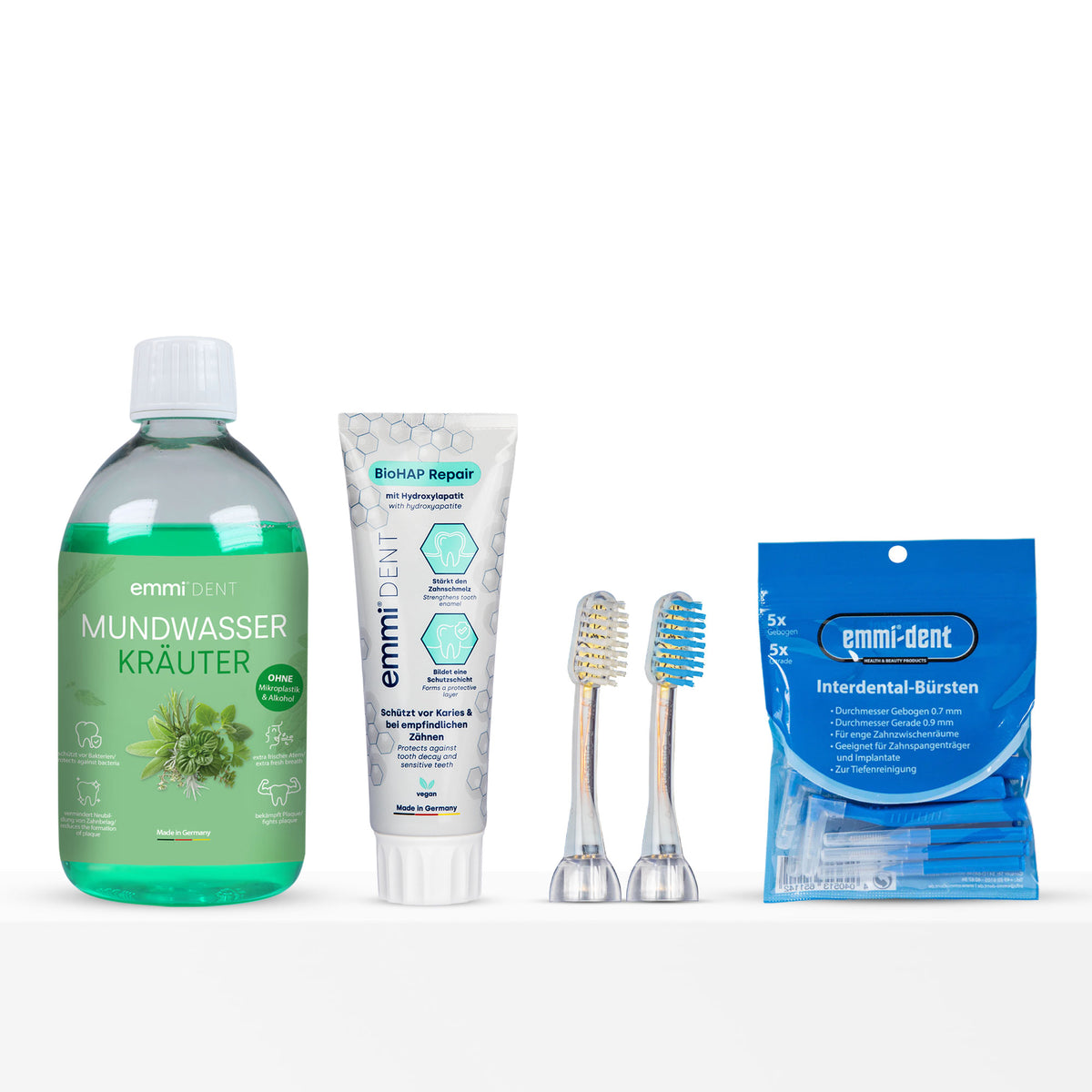
Our emmi-dent ultrasonic toothbrushes are often used to support this, as they can reduce bacterial plaque without strong mechanical friction. This makes cleaning sensitive areas more pleasant for many people.
When Bad Breath Should Be Medically Checked
Not all bad breath is automatically a warning sign. Temporary changes due to diet, dry mouth, or long breaks between meals are completely normal in everyday life. However, if bad breath persists or suddenly becomes significantly stronger, it should be investigated more closely.
Clarification is particularly important if additional symptoms such as bleeding gums, pain, heavy coating on the tongue, or inflamed areas in the mouth occur. Tonsil problems, reflux, or certain diseases can also affect the oral environment.
Many people are embarrassed by bad breath and do not talk about it for a long time. However, the cause can often be well identified once the oral cavity, gums, and dental plaque have been professionally examined.
Our breath changes constantly, and precisely for this reason, it is worthwhile to pay attention not only to "fresh breath" but to an overall healthy oral environment. Because often it is precisely small changes in everyday life that determine in the long term how fresh and pleasant the mouth feels throughout the day.