




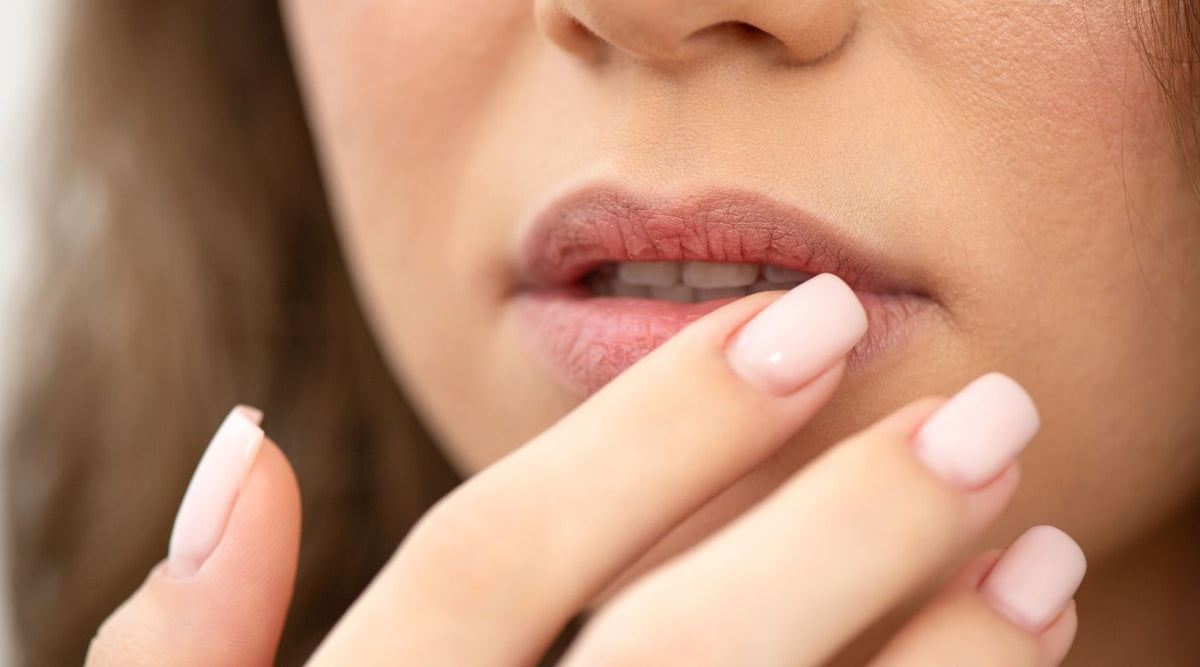
You wake up, move your lips, and notice immediately: everything feels a bit sticky today. The inside of your lip briefly adheres to your teeth, your tongue feels dry, and your mouth lacks that smooth, moist feeling that you usually don't even consciously perceive. A sip of water and, after a short time, everything seems normal again.
The fact that your mouth feels drier in the morning is initially nothing unusual. While you sleep, your body produces less saliva. Some nights, however, are more noticeable than others. Perhaps you breathed through your mouth because your nose was stuffy. Maybe the bedroom was very warm or the heating was on all night. Certain medications, alcohol in the evening, or simply too little fluid intake can also contribute to an unusually dry mouth the next morning.
The topic becomes interesting above all when an occasional dry morning becomes a regular companion. After all, saliva does more than just ensure your mouth feels pleasantly moist; it fulfills important tasks there every day.
In this article, we explain why your lip sometimes sticks to your teeth in the morning, what saliva has to do with it, and why persistent dry mouth can also play a role in your dental health.
What happens in your mouth at night while you sleep
During the day, you probably hardly notice your saliva. You swallow, speak, eat, and drink automatically. In the process, new saliva is constantly being produced and distributed in the mouth. At night, your body significantly scales back this production. That is exactly why your mouth often feels different immediately upon waking up than it does in the middle of the day.
Saliva consists mostly of water, but it also contains minerals, proteins, and various enzymes. It moistens the oral mucosa, facilitates swallowing, and helps transport food residues out of the mouth. At the same time, it supports the natural regulation of the oral environment. Acids formed after eating can be buffered by saliva. It also provides minerals that play an important role for the tooth surface.
If you produce less saliva at night, a portion of this natural moisture is missing. The mucous membranes become drier and no longer glide as easily over the tooth surfaces. This is precisely when the inside of your lip can feel as if it is literally sticking to your tooth in the morning.
This becomes particularly apparent when air additionally flows through the mouth. Those who sleep with their mouth open or breathe a lot through their mouth at night lose additional moisture via the mucous membranes. A cold or a stuffy nose can be enough to cause this. Snoring can also be associated with nocturnal mouth breathing.
After a single night, this is usually quickly forgotten. If you drink something and normal saliva production begins again, the sticky feeling often disappears on its own. If, however, the dry mouth occurs regularly or accompanies you during the day, it is worth looking more closely for the cause.
Why some nights dry out your mouth more than others
Perhaps you know the feeling: some days you wake up and notice nothing at all. On others, your mouth feels as if you had slept with your mouth open half the night. That may actually be exactly what happened. Morning dry mouth depends not only on how much saliva your body produces while sleeping, but also on what else happens during the night.
A stuffy nose is a typical example. If you have trouble breathing through your nose, you automatically breathe through your mouth more often. The passing air dries out the mucous membranes more intensely. In autumn and winter, dry room air is added to the mix. When the heating is turned on, the humidity in the bedroom often drops. This can be noticeable not only in dry lips or a dry nose, but also in the mouth.
The evening before also plays a role. Alcohol can promote dry mouth. If you haven't drunk much during the day, this can also be noticeable. Additionally, there are medications for which dry mouth can occur as a potential side effect. These include, for example, various drugs for allergies, high blood pressure, or depression. However, if you take medication regularly and have noticed a dry mouth more frequently since starting them, you should not discontinue them on your own. Discuss this with your doctor or dentist.
Sometimes the cause is surprisingly mundane. You are sleeping differently, the heating is on again, or you have a slight cold. Dry mouth becomes more problematic when it no longer occurs only occasionally in the morning, but regularly or even persists throughout the day.
What too little saliva does to your teeth
Keeping your mouth moist is only one part of saliva's job. It is also important for your teeth. After eating and drinking, the environment in the mouth changes. Bacteria metabolize certain carbohydrates, and acids can form in the process. Saliva helps to dilute and buffer these acids.
At the same time, it supports the natural self-cleaning of the oral cavity. Food residues are transported away more easily, and tooth surfaces are constantly washed with fluid. If saliva flow drops significantly, this natural rinsing effect is less pronounced. As a result, plaque can adhere to tooth surfaces more easily, and the feeling in the mouth also changes.
This does not mean that one dry night automatically leads to cavities or gum problems. The deciding factor is how frequently and how severely the dry mouth occurs. An occasionally dry mouth after waking up is something different from a permanently reduced saliva production.
Therefore, pay attention to accompanying symptoms. Do you regularly have to drink at night because your mouth gets so dry? Do you have difficulty swallowing dry foods? Is your tongue burning, or do your mucous membranes often feel irritated? Do you also notice increased bad breath or a change in your sense of taste? Such observations can provide clues that there is more behind the dry mouth than a single night with your mouth open.
If the dry mouth persists over a long period, you should address it with a doctor or dentist. This way, it can be clarified whether, for example, medications, mouth breathing, or other causes play a role.
What you can do about the dry feeling in the morning
If your lip only occasionally sticks to your tooth in the morning and your mouth feels completely normal again after the first glass of water, you can first look at the little things. How warm is your bedroom? Does the heating run all night? Are you drinking enough during the day? And are you able to breathe well through your nose at night?
A glass of water right after getting up is good for many people. Drinking regularly throughout the day is also more sensible than trying to catch up on large amounts in the evening. Water or unsweetened tea are good choices for this. You should avoid drinking sugary beverages throughout the day, however, as you would also be repeatedly supplying the bacteria in your mouth with fermentable carbohydrates.
If you have a cold and are therefore temporarily breathing through your mouth, the problem may resolve itself after a few days. If, on the other hand, you wake up regularly over several weeks with your mouth open and very dry mucous membranes, it is worth asking why you are breathing so much through your mouth at night. You should also not simply dismiss heavy snoring or permanently restricted nasal breathing as a habit.
Daily dental care is also particularly important when you have a dry mouth. Saliva normally handles part of the natural cleaning work. If there is less of it at times, you should still remove bacterial plaque reliably. This includes the gaps between your teeth in addition to the easily accessible tooth surfaces.
And one more thing: a dry mouth sometimes feels so uncomfortable that you want to get it "properly clean" as quickly as possible. Vigorous scrubbing or particularly aggressive mouthwashes are not the solution for this. Dryness needs moisture and investigation of the cause, not more pressure when brushing your teeth.
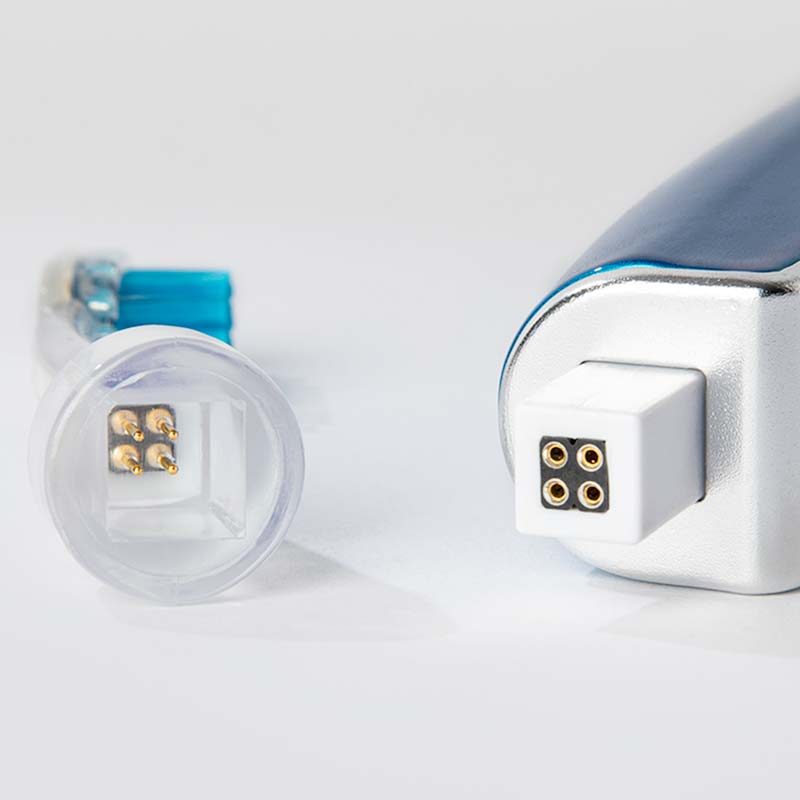
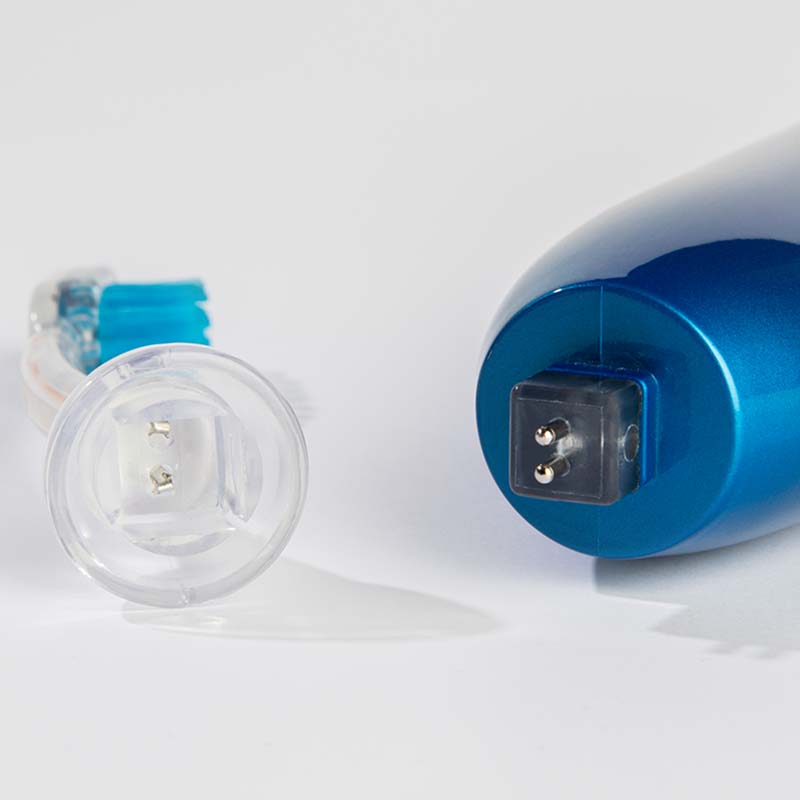
emmi-DENT Sonic Flex and Sonic Prime: thorough dental care is part of the solution, even with dry mouth
A sonic toothbrush cannot replace missing saliva, nor does it eliminate the cause of a dry mouth. However, it can help you maintain thorough daily oral hygiene. This exact distinction is important when dealing with dry mouth.
Our emmi-DENT Sonic Flex and Sonic Prime work with rapid mechanical brushing movements. The bristles move at a high frequency and thereby support the cleaning of the tooth surfaces. Especially in the morning, when the mouth feels coated or uncomfortable after a dry night, a structured brushing routine can help to thoroughly remove bacterial plaque.
The same rule applies with a sonic toothbrush: you do not need to press hard. The brush does the moving. Too much pressure does not automatically make the cleaning better and can unnecessarily strain the gums and sensitive areas.
Which of the two sonic toothbrushes suits you better depends primarily on which features and brushing sensation you prefer. For the dry mouth itself, this decision makes no difference. Sonic Flex and Sonic Prime support mechanical tooth cleaning, while the cause of reduced saliva flow must be looked at separately.
So, if your lip happens to stick to your tooth one morning, your mouth feels completely normal again after a glass of water, and the whole thing only happens occasionally, you don't need to make it a big problem just yet. The trend is more interesting: is it happening more and more often? Do you now wake up every night with a dry mouth? Does the feeling persist during the day?
Your mouth can show you quite clearly in this way when it lacks moisture. Therefore, observe not only the sticky feeling in the morning, but also when and how often it occurs. Good dental care remains an important part of your daily routine. Persistent dry mouth, however, should not be solved with a toothbrush, but rather clarified as to its cause.